Healing
Are peptides legal? How UK medicines law sorts licensed medicines, trial-only drugs and research compounds, and what a research-only label really means.
The Human Medicines Regulations 2012 only specifies whether a product is classified as a medicine. So, there is no definitive answer to the question of whether peptides have been legal or illegal. A peptide that can be marketed as a medicine for treatment of an injury becomes medicine, whereas the same compound that has been sold with no medicinal claims for the purposes of laboratory research is not classified in the same way.
The question posed more frequently to me is usually asked by individuals who have come across the same compound being offered in a private clinic, including social medial and research vendors. This article aims to clarify the distinction between a research compound and medicine through an overview of how to properly assess product status on your own.
A peptide is just a small line of amino acids. United Kingdom law regulates products based on usage and not their chemistry. There are many types of peptides that are standard licensed medicines. Tirzepatide, marketed as Mounjaro, and semaglutide, marketed as Wegovy, are available in the UK for weight management as prescription medicines.
Other peptides have no UK licence at all. BPC-157 is in pre-clinical research. Selank and semax are registered as medicines in Russia but not in the UK. Retatrutide is an investigational medicine that the MHRA says "has not been authorised for medicinal use in the UK".
So, whenever someone wants to know if peptides are legal, one might consider asking: which peptide, from which seller, and for what purpose?
The 2012 Regulations state that the intended purpose of a product determines if it is classified as a medicine. A product may only be considered as a medicine if it is intended for treating injury, cognitive functioning or metabolic conditions, which entails licensing requirements.
This is the rule behind the MHRA investigation into UK peptide clinics reported in April 2026. The concern was clinics making medicinal claims about unregulated peptides. Sellers who make such claims risk being treated as selling unlicensed medicines, whatever label sits on the vial.
The practical effect is that legality often turns on words. A product page that says a peptide "heals tendons" or "repairs the gut" is making the kind of claim that can pull it under medicines law. A page that describes animal research as animal research is not. We cover the BPC-157 case in detail on is BPC-157 legal in the UK.
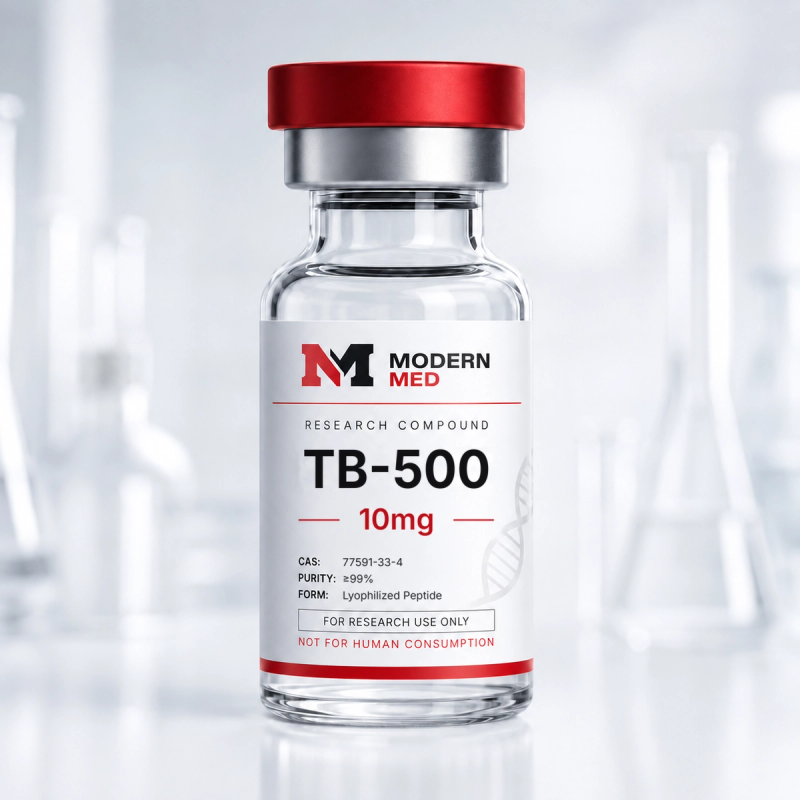
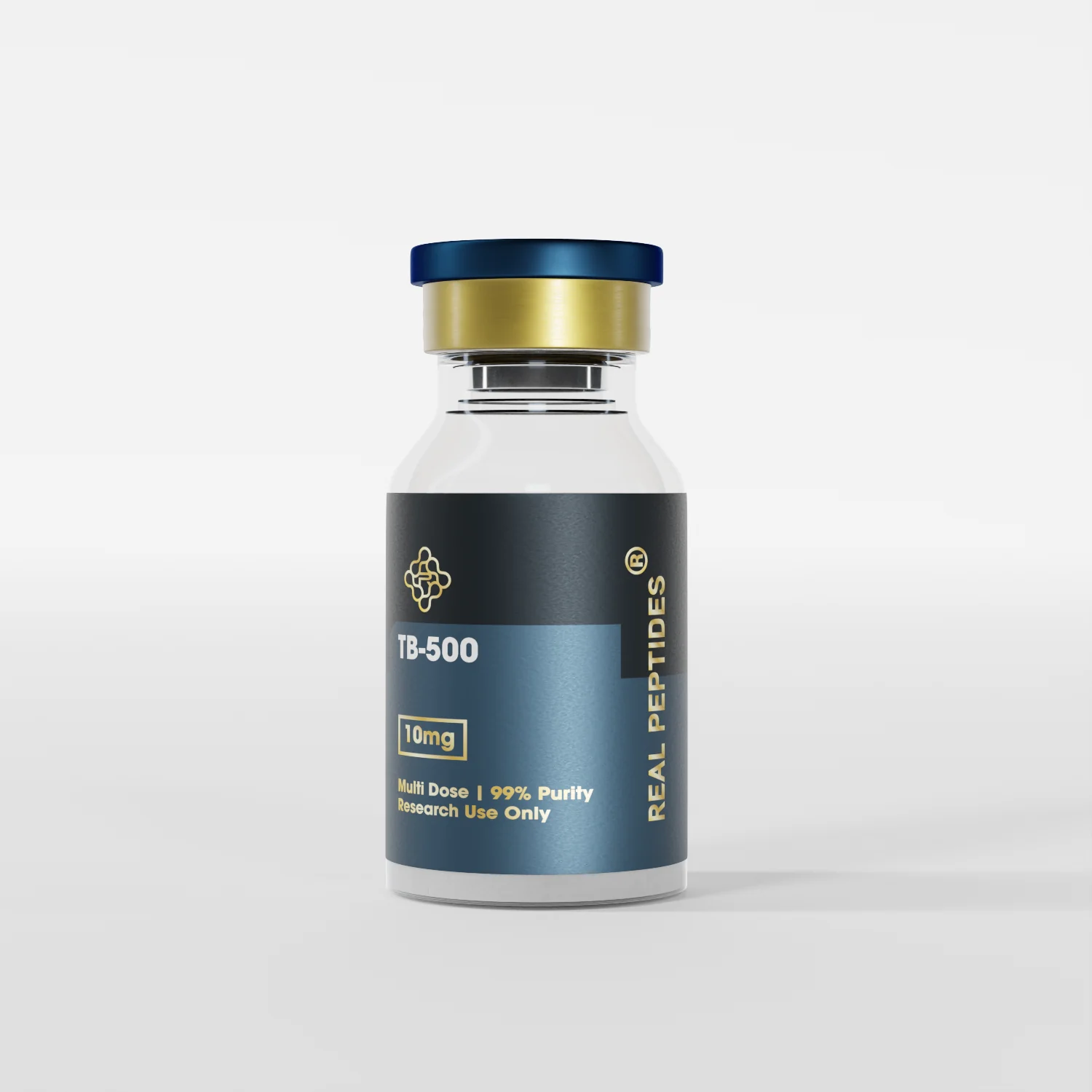
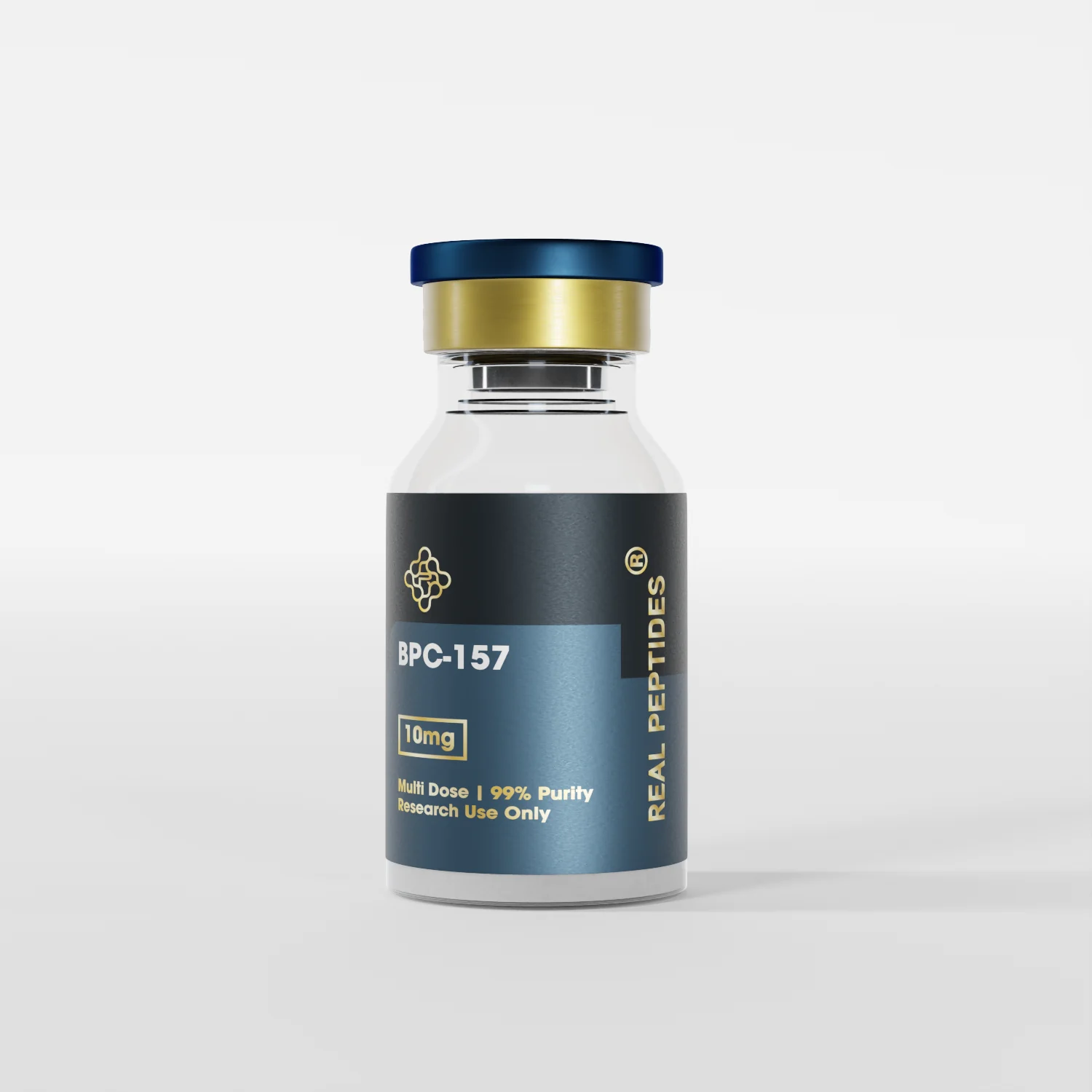
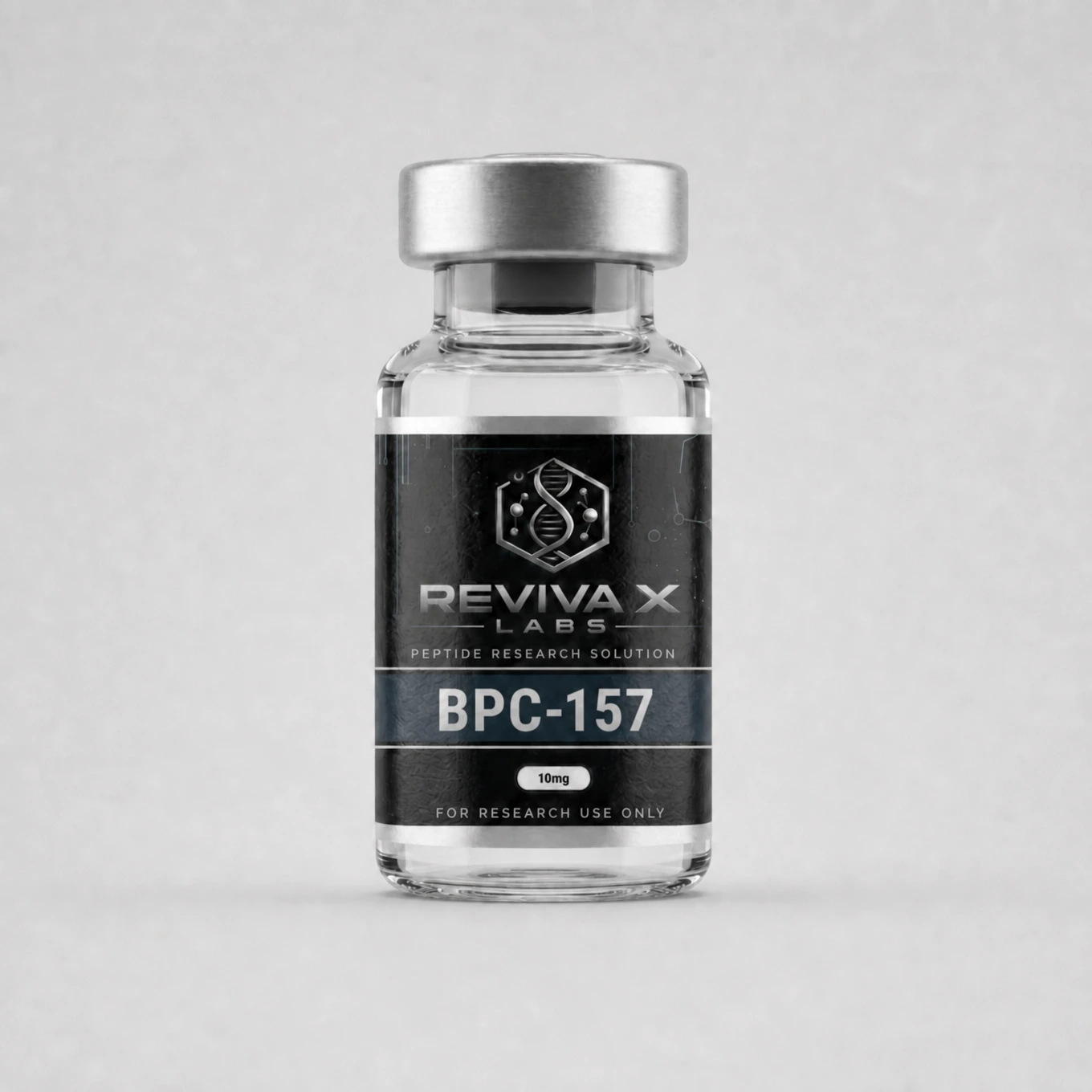
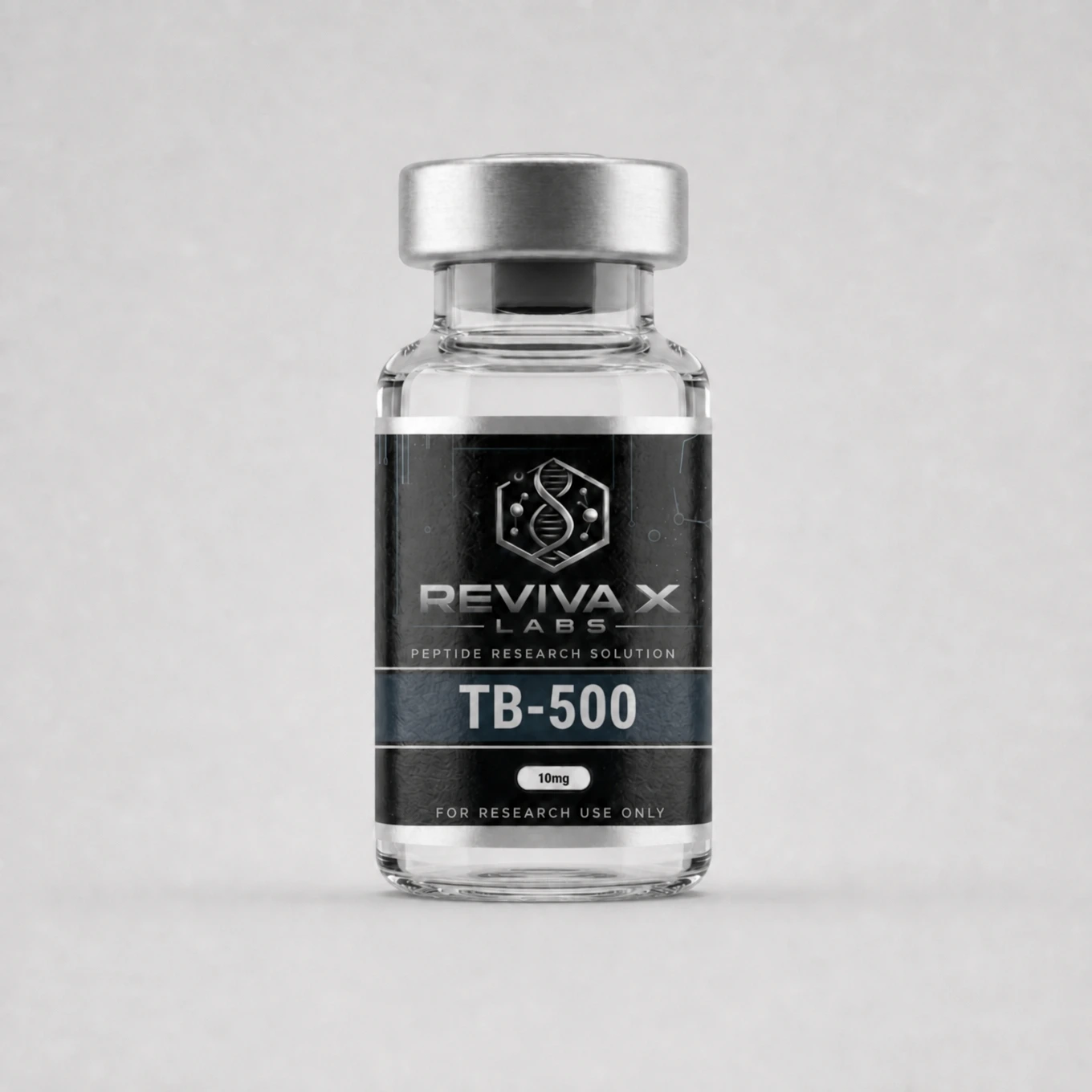
The "research use only" label gives information regarding the vendor’s description of the product rather than implying that the product is safe or legal for human use. The MHRA clearly mentions that if a product has labels such as "research use only" or "not for human consumption," it doesn’t make it lawful for human use.
The last point matters. Products claiming to be retatrutide are regularly sold with research labels, and the MHRA treats them as illegal supply. Our page on unlicensed weight-loss peptides explains why.
The majority of research peptide suppliers are based in America, which means that the US laws influence what can be found online in the UK. None of the substances and compounds presented on this particular site, such as BPC-157, TB-500, selank, semax and NAD+ in injection form, have been approved by the FDA.
In September 2023 the FDA placed several peptides, BPC-157 and TB-500 among them, in "Category 2" of its interim bulk-substances lists, meaning compounding pharmacies could not use them while safety concerns were reviewed. On 23 and 24 July 2026 the FDA's Pharmacy Compounding Advisory Committee voted to recommend adding six peptides, including BPC-157, TB-500, MOTS-c and semax, to the 503A bulks list. Those votes are non-binding, and as of the July meeting none of the six had been added.
On 24 August 2026 the FDA also sent warning letters to five online peptide vendors for selling unapproved new drugs. It said "research use only" labels do not decide the question and looked at the whole website, including disease claims and dosing guidance. That logic is close to the UK's intended-use test.
You can work out where a peptide sits in a few minutes with four questions, in this order.
The mistake people make is stopping at step three because a site looks professional. Our research peptides UK page shows which compounds fit that group and how they are sold. For anything to do with your own health, speak to your GP or pharmacist.
The Human Medicines Regulations 2012 only specifies whether a product is classified as a medicine. So, there is no definitive answer to the question of whether peptides have been legal or illegal. A peptide that can be marketed as a medicine for treatment of an injury becomes medicine, whereas the same compound that has been sold with no medicinal claims for the purposes of laboratory research is not classified in the same way.
The question posed more frequently to me is usually asked by individuals who have come across the same compound being offered in a private clinic, including social medial and research vendors. This article aims to clarify the distinction between a research compound and medicine through an overview of how to properly assess product status on your own.
A peptide is just a small line of amino acids. United Kingdom law regulates products based on usage and not their chemistry. There are many types of peptides that are standard licensed medicines. Tirzepatide, marketed as Mounjaro, and semaglutide, marketed as Wegovy, are available in the UK for weight management as prescription medicines.
Other peptides have no UK licence at all. BPC-157 is in pre-clinical research. Selank and semax are registered as medicines in Russia but not in the UK. Retatrutide is an investigational medicine that the MHRA says "has not been authorised for medicinal use in the UK".
So, whenever someone wants to know if peptides are legal, one might consider asking: which peptide, from which seller, and for what purpose?
The 2012 Regulations state that the intended purpose of a product determines if it is classified as a medicine. A product may only be considered as a medicine if it is intended for treating injury, cognitive functioning or metabolic conditions, which entails licensing requirements.
This is the rule behind the MHRA investigation into UK peptide clinics reported in April 2026. The concern was clinics making medicinal claims about unregulated peptides. Sellers who make such claims risk being treated as selling unlicensed medicines, whatever label sits on the vial.
The practical effect is that legality often turns on words. A product page that says a peptide "heals tendons" or "repairs the gut" is making the kind of claim that can pull it under medicines law. A page that describes animal research as animal research is not. We cover the BPC-157 case in detail on is BPC-157 legal in the UK.
The "research use only" label gives information regarding the vendor’s description of the product rather than implying that the product is safe or legal for human use. The MHRA clearly mentions that if a product has labels such as "research use only" or "not for human consumption," it doesn’t make it lawful for human use.
The last point matters. Products claiming to be retatrutide are regularly sold with research labels, and the MHRA treats them as illegal supply. Our page on unlicensed weight-loss peptides explains why.
The majority of research peptide suppliers are based in America, which means that the US laws influence what can be found online in the UK. None of the substances and compounds presented on this particular site, such as BPC-157, TB-500, selank, semax and NAD+ in injection form, have been approved by the FDA.
In September 2023 the FDA placed several peptides, BPC-157 and TB-500 among them, in "Category 2" of its interim bulk-substances lists, meaning compounding pharmacies could not use them while safety concerns were reviewed. On 23 and 24 July 2026 the FDA's Pharmacy Compounding Advisory Committee voted to recommend adding six peptides, including BPC-157, TB-500, MOTS-c and semax, to the 503A bulks list. Those votes are non-binding, and as of the July meeting none of the six had been added.
On 24 August 2026 the FDA also sent warning letters to five online peptide vendors for selling unapproved new drugs. It said "research use only" labels do not decide the question and looked at the whole website, including disease claims and dosing guidance. That logic is close to the UK's intended-use test.