Healing
Importing peptides UK guide: Border Force holds, VAT and duty, US dollar pricing and why a research label does not settle it. Checks before you order.
During the course of a single year, a total of 28.5 million doses of illegally traded medications were seized by the MHRA, with the estimated value of those confiscated medicines being £64.4 million. Some of this volume might be transported by mail. Anyone wanting to bring peptides to the UK should keep in mind that they will use the same mechanism that catches those shipments, meaning you have to know what you are doing before your order is made.
Most peptide vendors are from the US or quote their prices in US dollars. This situation raises three critical concerns the import of peptides to the UK. These are the issues regarding potential clearance of the parcel, possible additional fees, and legitimacy of allowing product import for the intended purposes.
Peptides brought in from overseas may be seized by Border Force so be prepared for this instead of presupposing that these will be allowed through. Border checks analyze the contents and the way they are labeled, in addition to intervening in medicines transported by mail.
We are unable to state the likelihood of a specific shipment being halted, and no one selling it to you can guarantee otherwise. However, we should point out that the risks increase considerably in case of medications that are sold in either form: as themselves or in false disguise as medicines. In this respect, some medications sold as retatrutide or similar drugs are well-known examples of this kind, and the MHRA considers their distribution to be illegal in cases when they are not included in clinical trial protocols.
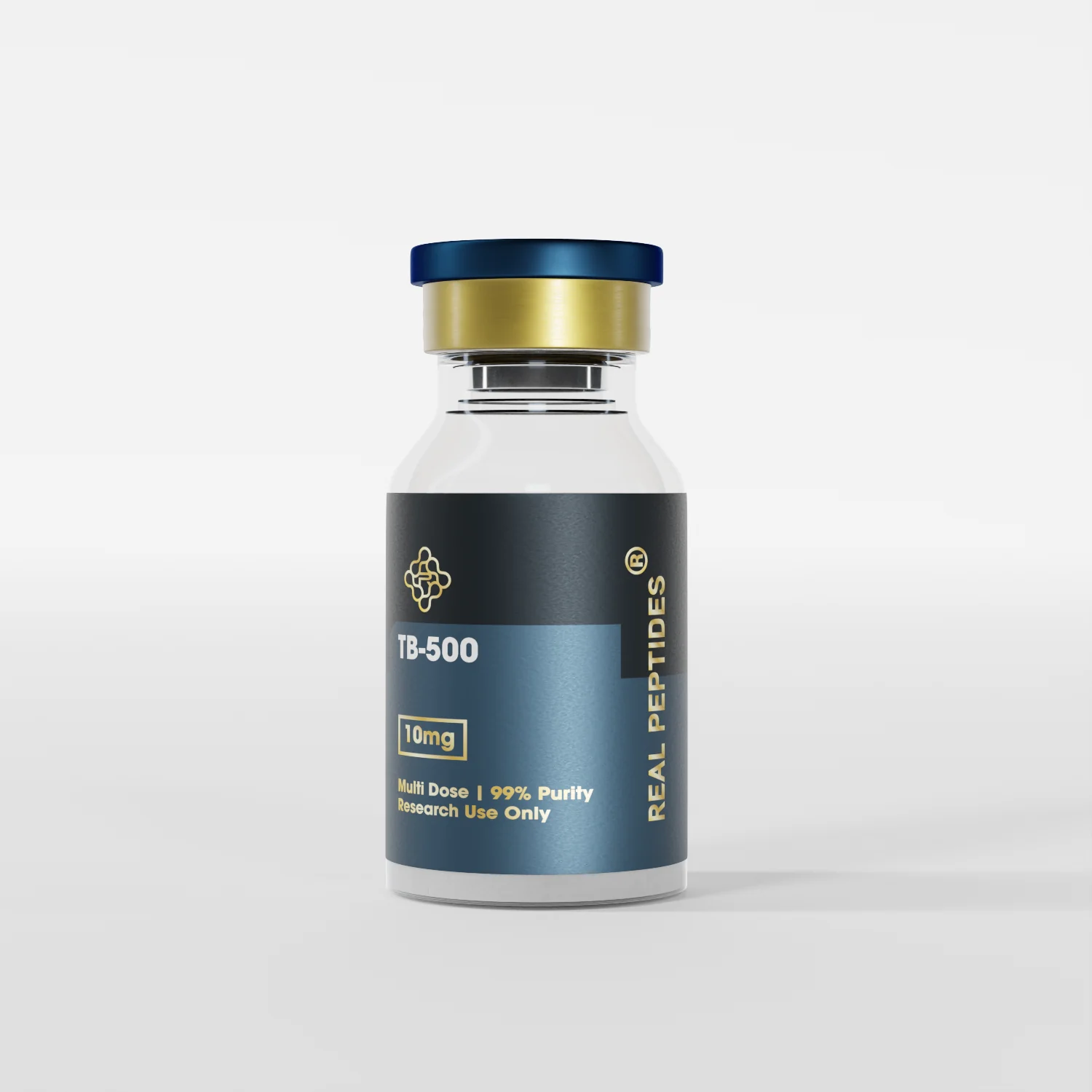
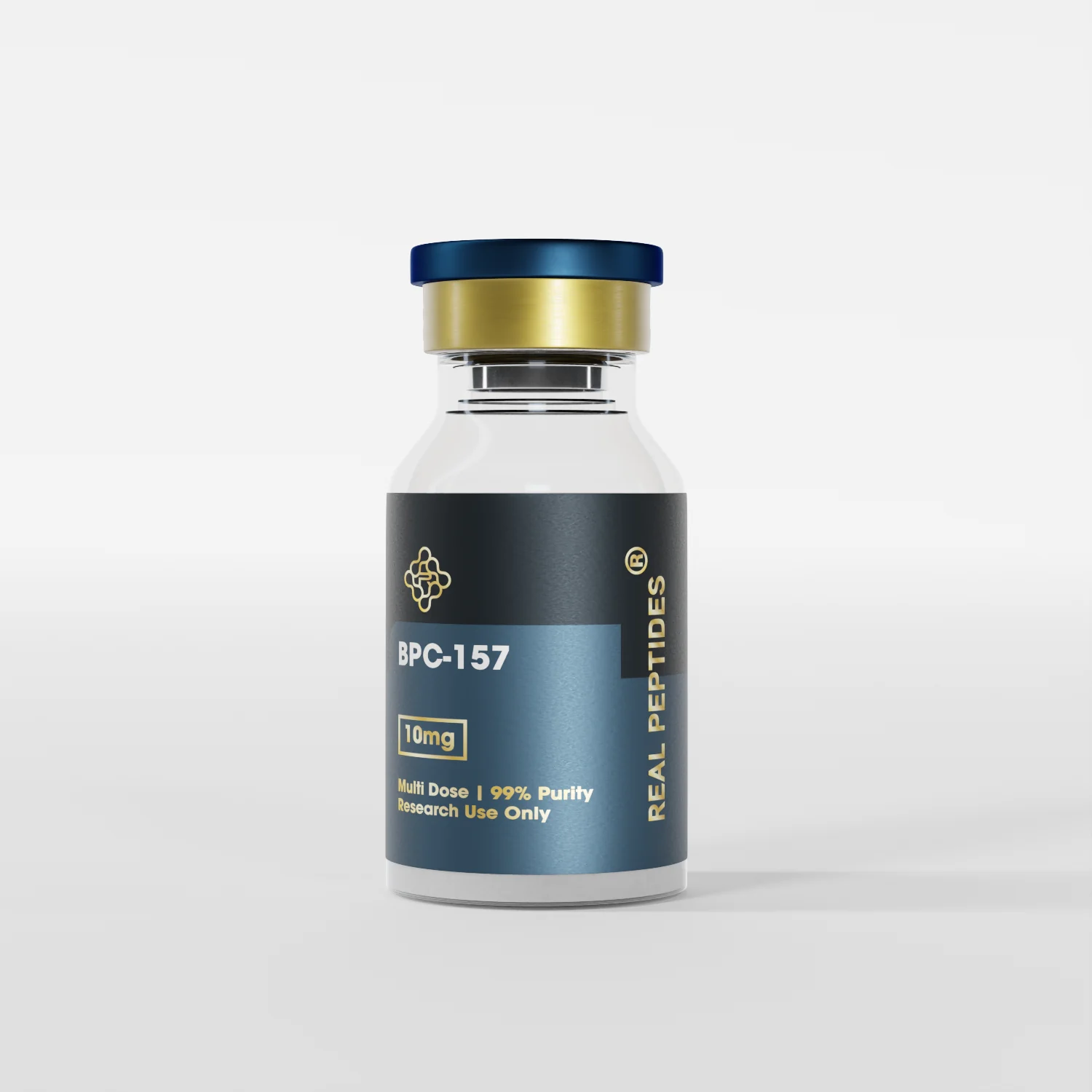
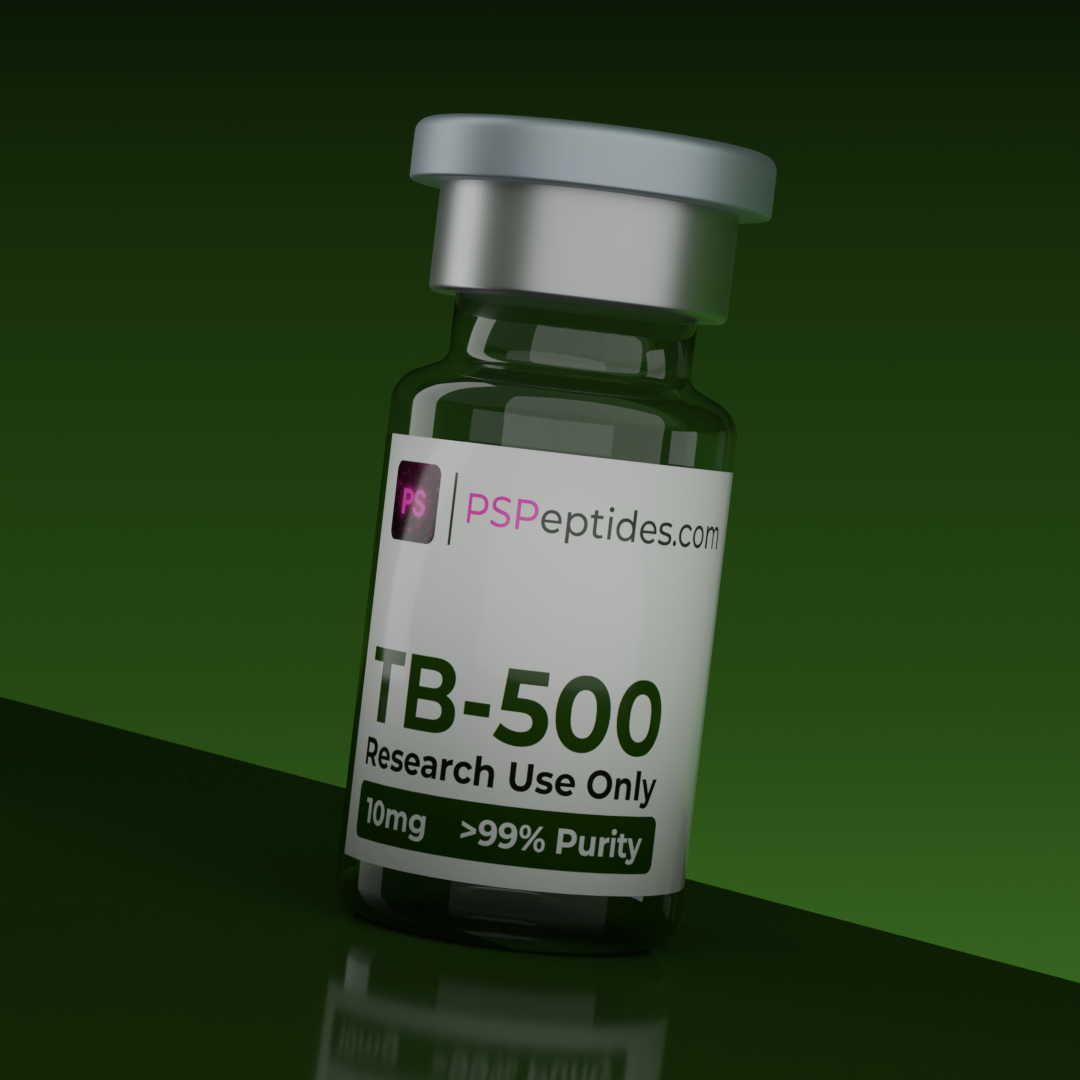
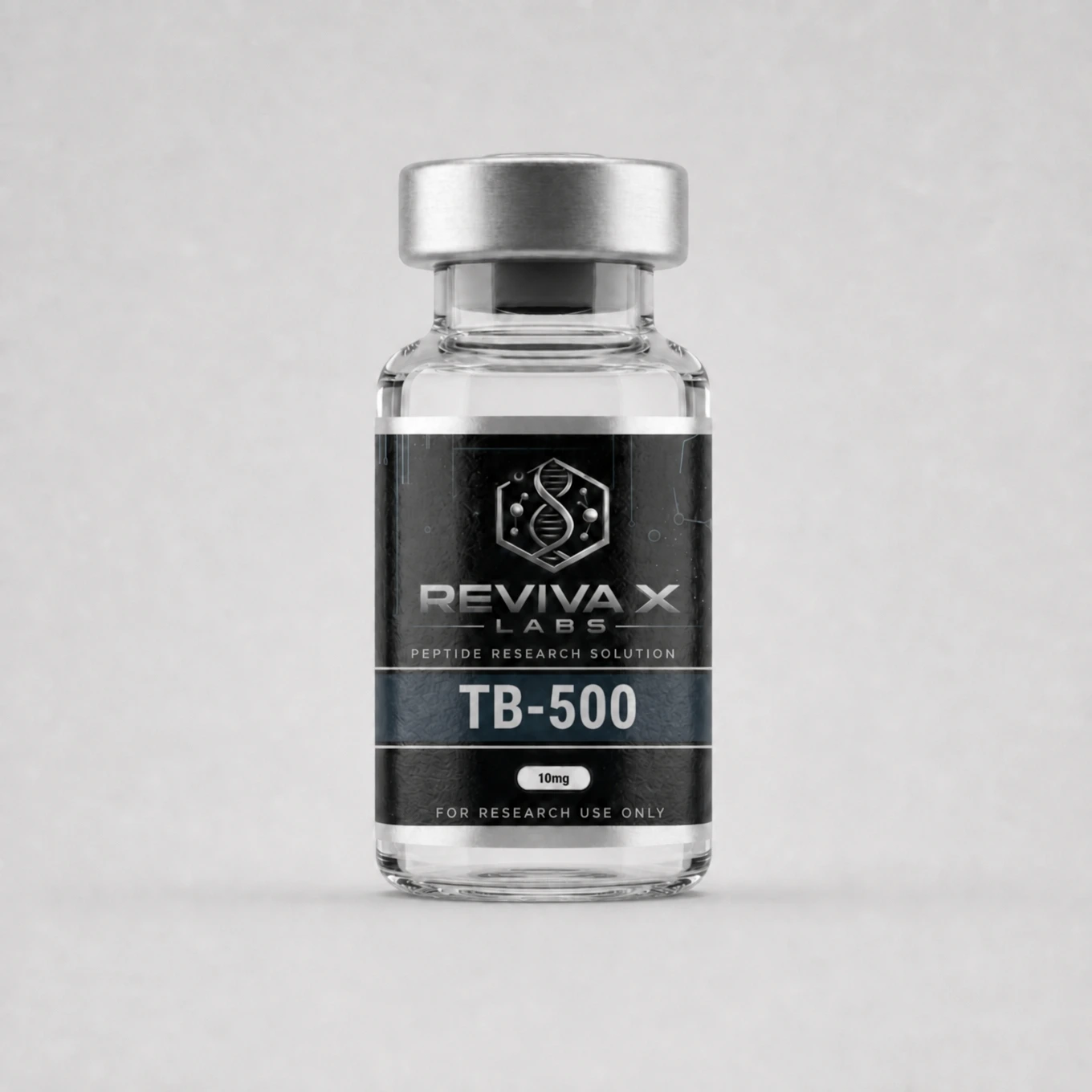
Research chemicals like BPC-157 or TB-500 are in a unique position because they aren't licensed medicines and are sold without medical claims. That doesn't guarantee customs will release them, and it doesn't make them lawful to use as medicines.
A UK buyer should not expect the price on a US vendor's website to represent the total cost of purchase. The cost might not only involve VAT and other import taxes, but also check possible charges related to paying in dollars via credit or debit card.
Take a single research product as an example. Real Peptides lists BPC-157 10mg at $43.20 (US dollars), and Peptide God lists BPC-157 at $34.95. Neither figure includes any UK import charges, and we have not verified that either vendor ships to the UK at all.
Our buying research peptides from the UK page compares both vendors on these points.
A label indicating "research use only" has its significance the marketing of the product; however, it has no impact on how the relevant authorities would treat that particular product. According to the MHRA, there is no guarantee that such a label would make a product a legal product for human consumption or that it was manufactured according to the required medical standards.
US regulators take the same line. When the FDA sent warning letters to five online peptide vendors on 24 August 2026, it said research labels do not decide the question and looked at the whole website: disease claims, dosing guidance, reconstitution calculators and bacteriostatic water sold next to injectables were treated as evidence the products were meant for human use.
For an importer, the key point to bear in mind is to see the seller in general terms. A vendor offering research compounds without treatment claims should not be seen the same way as a vendor providing “research” weight-loss injections with instructions on how to use them.
The MHRA's enforcement record shows where its attention is focused. Its Criminal Enforcement Unit raided illegal manufacturing sites in Northampton (October 2025), Lincolnshire and Nottinghamshire (February 2026) and Northamptonshire (May 2026), seizing thousands of doses of weight-loss medicines including retatrutide.
Those cases involved prescription-type weight-loss products, not research compounds. In April 2026 the regulator also began investigating UK peptide clinics that make medicinal claims about unregulated peptides. I read the two together as one message: the MHRA is interested in anything sold as a medicine without a licence, wherever it comes from. Our guide to unlicensed weight-loss peptides covers the first group.
Five checks will save most people from the common mistakes when importing peptides to the UK.
This is not legal advice. If you want to find out about a specific product but you are not sure about its safety, do not order it. For queries about health-wise, you should contact your GP.
During the course of a single year, a total of 28.5 million doses of illegally traded medications were seized by the MHRA, with the estimated value of those confiscated medicines being £64.4 million. Some of this volume might be transported by mail. Anyone wanting to bring peptides to the UK should keep in mind that they will use the same mechanism that catches those shipments, meaning you have to know what you are doing before your order is made.
Most peptide vendors are from the US or quote their prices in US dollars. This situation raises three critical concerns the import of peptides to the UK. These are the issues regarding potential clearance of the parcel, possible additional fees, and legitimacy of allowing product import for the intended purposes.
Peptides brought in from overseas may be seized by Border Force so be prepared for this instead of presupposing that these will be allowed through. Border checks analyze the contents and the way they are labeled, in addition to intervening in medicines transported by mail.
We are unable to state the likelihood of a specific shipment being halted, and no one selling it to you can guarantee otherwise. However, we should point out that the risks increase considerably in case of medications that are sold in either form: as themselves or in false disguise as medicines. In this respect, some medications sold as retatrutide or similar drugs are well-known examples of this kind, and the MHRA considers their distribution to be illegal in cases when they are not included in clinical trial protocols.
Research chemicals like BPC-157 or TB-500 are in a unique position because they aren't licensed medicines and are sold without medical claims. That doesn't guarantee customs will release them, and it doesn't make them lawful to use as medicines.
A UK buyer should not expect the price on a US vendor's website to represent the total cost of purchase. The cost might not only involve VAT and other import taxes, but also check possible charges related to paying in dollars via credit or debit card.
Take a single research product as an example. Real Peptides lists BPC-157 10mg at $43.20 (US dollars), and Peptide God lists BPC-157 at $34.95. Neither figure includes any UK import charges, and we have not verified that either vendor ships to the UK at all.
Our buying research peptides from the UK page compares both vendors on these points.
A label indicating "research use only" has its significance the marketing of the product; however, it has no impact on how the relevant authorities would treat that particular product. According to the MHRA, there is no guarantee that such a label would make a product a legal product for human consumption or that it was manufactured according to the required medical standards.
US regulators take the same line. When the FDA sent warning letters to five online peptide vendors on 24 August 2026, it said research labels do not decide the question and looked at the whole website: disease claims, dosing guidance, reconstitution calculators and bacteriostatic water sold next to injectables were treated as evidence the products were meant for human use.
For an importer, the key point to bear in mind is to see the seller in general terms. A vendor offering research compounds without treatment claims should not be seen the same way as a vendor providing “research” weight-loss injections with instructions on how to use them.
The MHRA's enforcement record shows where its attention is focused. Its Criminal Enforcement Unit raided illegal manufacturing sites in Northampton (October 2025), Lincolnshire and Nottinghamshire (February 2026) and Northamptonshire (May 2026), seizing thousands of doses of weight-loss medicines including retatrutide.
Those cases involved prescription-type weight-loss products, not research compounds. In April 2026 the regulator also began investigating UK peptide clinics that make medicinal claims about unregulated peptides. I read the two together as one message: the MHRA is interested in anything sold as a medicine without a licence, wherever it comes from. Our guide to unlicensed weight-loss peptides covers the first group.