BPC-157 10mg
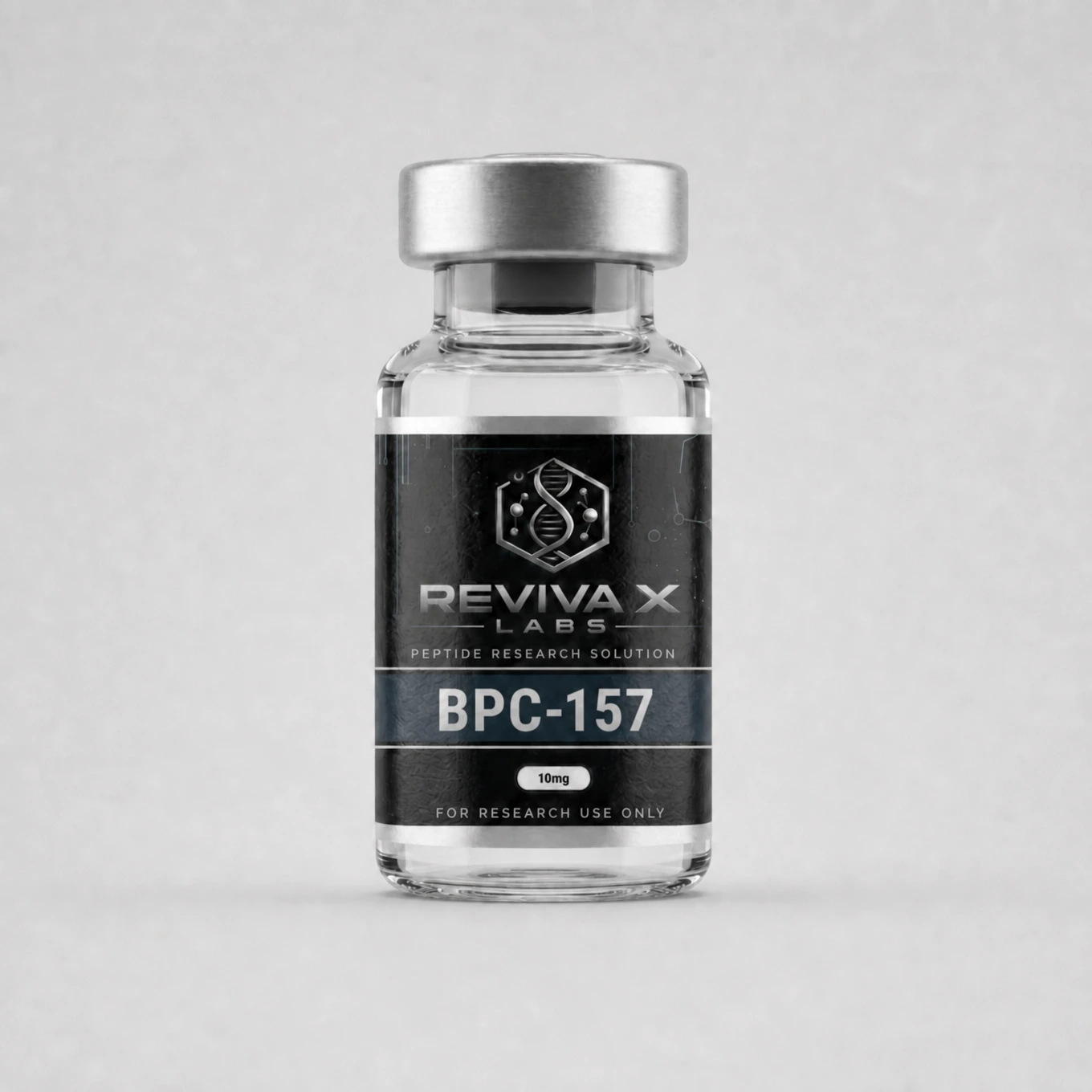
BPC-157 10mg from Reviva X, lyophilized powder. Third-party COA published by the vendor. Research use only.
Are peptides steroids? No. We compare their chemistry, the UK law that applies to each, their WADA status and the mistakes people make comparing them.

BPC-157 10mg from Reviva X, lyophilized powder. Third-party COA published by the vendor. Research use only.
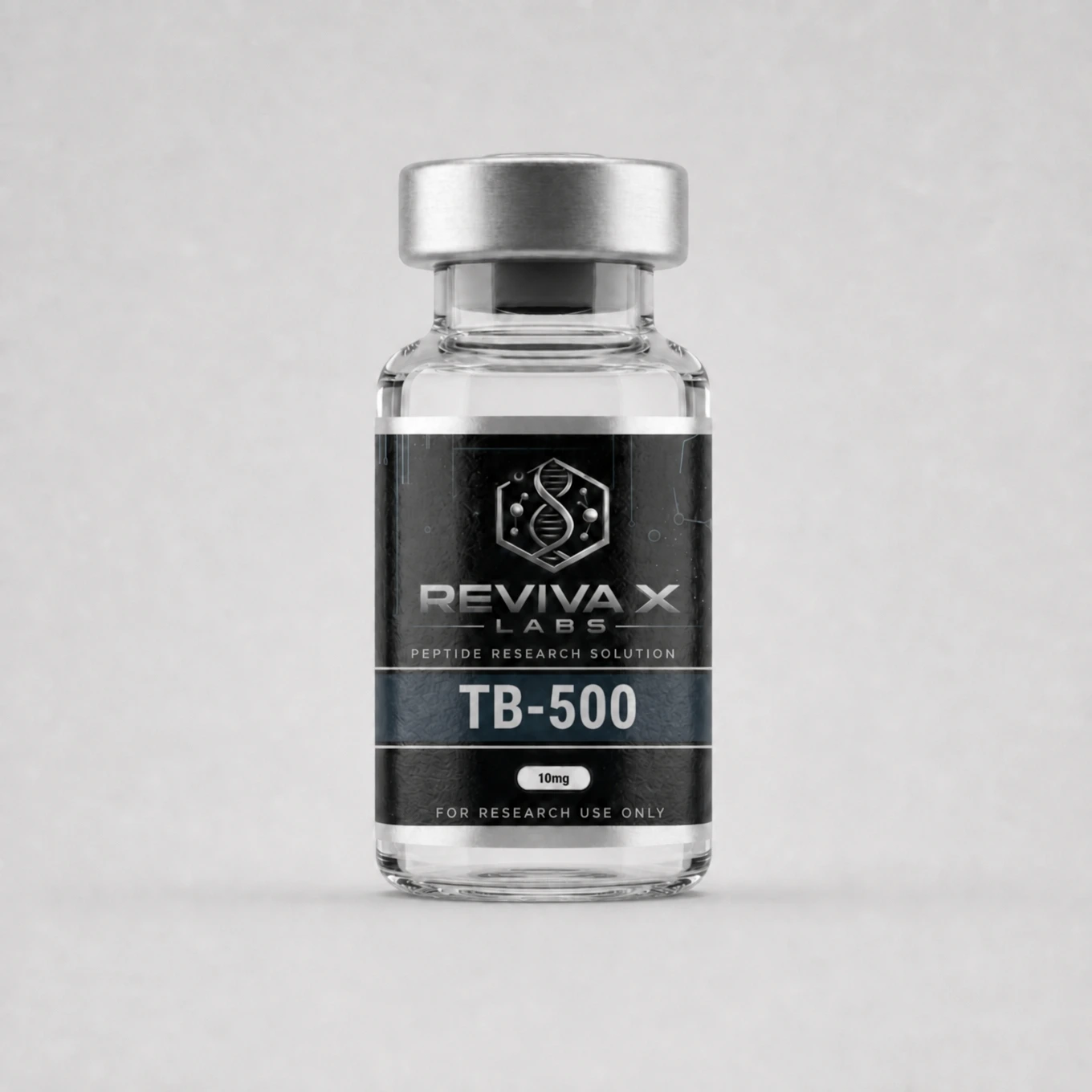
TB-500 10mg from Reviva X, lyophilized powder. Third-party COA published by the vendor. Research use only.
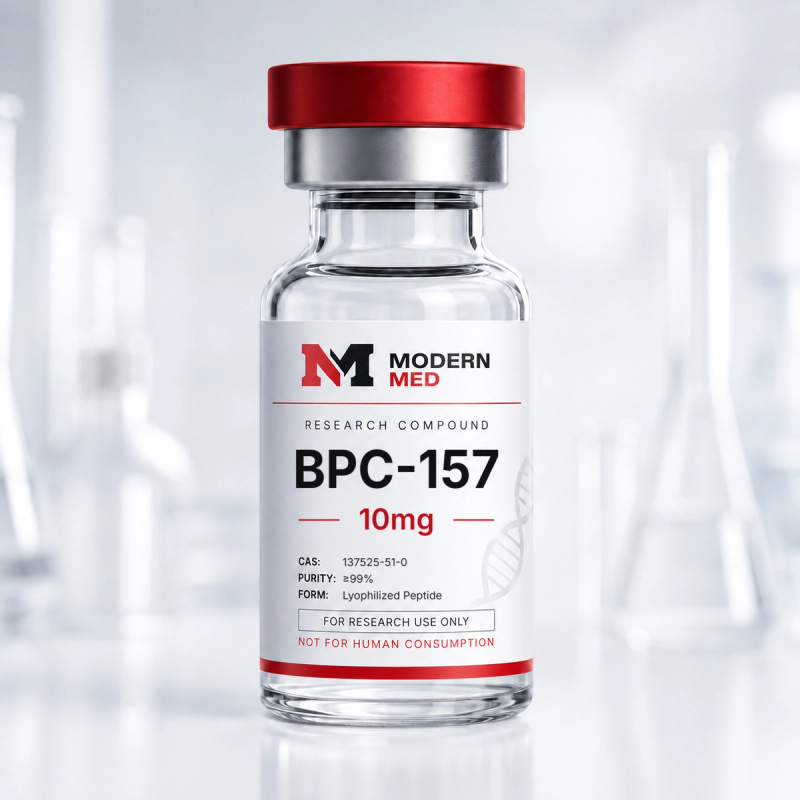
BPC-157 10mg from Modern Med Peptides, lyophilized powder. Third-party COA published by the vendor. Researc...
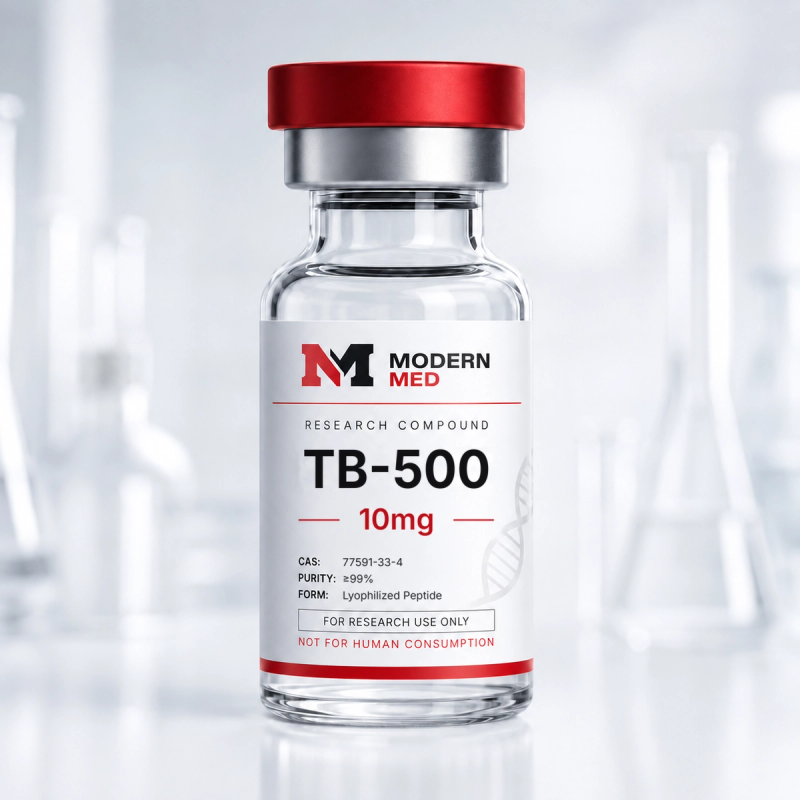
TB-500 10mg from Modern Med Peptides, lyophilized powder. Third-party COA published by the vendor. Research...
| Product | Form | Size | Testing | UK delivery | Price |
|---|---|---|---|---|---|
| Reviva X BPC-157 10mg | Lyophilized powder | 10mg | Third-party COA | Ships from a UK warehouse, 24h dispatch | £24.99 |
| Reviva X TB-500 10mg | Lyophilized powder | 10mg | Third-party COA | Ships from a UK warehouse, 24h dispatch | £29.99 |
| Modern Med Peptides BPC-157 10mg | Lyophilized powder | 10mg | Third-party COA | Not stated by the vendor | $34.99 |
| Modern Med Peptides TB-500 10mg | Lyophilized powder | 10mg | Third-party COA | Not stated by the vendor | $34.99 |
BPC-157 sits in section S0 of the WADA Prohibited List, the section for non-approved substances, not in the section for anabolic agents where steroids belong. That single detail answers the question "are peptides steroids" better than most forum threads do: no, they are different classes of molecule, and UK law and sport rules treat them differently.
The two are often confused with each other because both appear in gyms, both are mentioned in talks about recovery and body composition, and both have an online presence. In this post, we outline the chemistry of each product, the laws governing them, and their similarities.
Peptides consist of several amino acids; steroids have a structure in the shape of a ring. Anabolic steroids are synthetic variations of testosterone. Peptides encompass a wide range of compounds, which goes from hormones like insulin to research substances, such as BPC-157.
BPC-157 is a synthetic 15-amino-acid peptide derived from a protein found in gastric juice. TB-500 is a synthetic fragment related to thymosin beta-4. Neither has the ring structure of a steroid, and neither is a hormone in the way testosterone is.
Thus, peptides are distinct from steroids, and referring to peptides as "natural steroids" or "legal steroids" is strictly a marketing move.
The use of anabolic steroids is regarded as illegal in the UK, while research peptides are governed by law regarding medicines. This distinction has implications for legal risk.
For steroids, the issue is controlled-drugs legislation, which restricts supply and import. For peptides, the key test comes from the Human Medicines Regulations 2012: a product is classed by its intended use. If a peptide is promoted to treat injury, cognition or metabolic health, it can be treated as a medicine that needs a licence. If it is sold for research with no medical claims, it sits outside that.
Some peptides are licensed medicines in their own right. Tirzepatide (Mounjaro) and semaglutide (Wegovy) are prescription-only medicines. Others, such as retatrutide, are investigational and, according to the MHRA, cannot be legally supplied outside clinical trials. We explain the general rule on are peptides legal.
The table compares the two on the points UK readers ask us about most.
| Question | Anabolic steroids | Research peptides (BPC-157, TB-500) |
|---|---|---|
| What they are | Synthetic relatives of testosterone | Short chains of amino acids |
| Main UK law | Controlled-drugs legislation | Human Medicines Regulations 2012 (intended use) |
| Licensed in the UK | Only specific prescribed products | No; sold as research compounds |
| Human evidence | Long clinical history | Mostly animal studies; small uncontrolled human studies |
| WADA status | Prohibited as anabolic agents | Prohibited (BPC-157 under S0; TB-500 also listed) |
Human proof is the one that buyers often overlook. BPC-157 is at present at the preclinical stage, with the reported benefits based on animal studies and no evidence from controlled human trials yet.
Sports is the only area where both steroids and peptides are categorized in the same way, that is, banned. BPC-157 and TB-500 (thymosin beta-4 and related substances) are in the World Anti-Doping Agency (WADA) Prohibited List, which is also applied by UK Anti-Doping for United Kingdom athletes.
The categories differ, but for a tested athlete that difference makes no practical change. A positive test is a positive test. Our page on peptides in UK sport explains the WADA and UKAD position in more detail.
One point I would stress: blends and stacks that combine BPC-157 with TB-500 carry two prohibited substances, not one.
One of the biggest misunderstandings is the idea that being nob-steroid means that something is not subject to regulations concerning medications. This is not the case. Peptides may be exempt from rules banning drug usage, but as soon as they are sold together with claims about the treatment of certain condition, peptids come under medicine act restrictions as well and all investigational peptides are illegal to sell out of the trial irrespective of their label.
So can we classify peptides as steroids? The answer is no. However, a more useful question to ask would be regarding the regulations surrounding the specific peptide you have, and to obtain proper answers, the best way to find answers is to consult your general practitioner or pharmacist.
BPC-157 sits in section S0 of the WADA Prohibited List, the section for non-approved substances, not in the section for anabolic agents where steroids belong. That single detail answers the question "are peptides steroids" better than most forum threads do: no, they are different classes of molecule, and UK law and sport rules treat them differently.
The two are often confused with each other because both appear in gyms, both are mentioned in talks about recovery and body composition, and both have an online presence. In this post, we outline the chemistry of each product, the laws governing them, and their similarities.
Peptides consist of several amino acids; steroids have a structure in the shape of a ring. Anabolic steroids are synthetic variations of testosterone. Peptides encompass a wide range of compounds, which goes from hormones like insulin to research substances, such as BPC-157.
BPC-157 is a synthetic 15-amino-acid peptide derived from a protein found in gastric juice. TB-500 is a synthetic fragment related to thymosin beta-4. Neither has the ring structure of a steroid, and neither is a hormone in the way testosterone is.
Thus, peptides are distinct from steroids, and referring to peptides as "natural steroids" or "legal steroids" is strictly a marketing move.
The use of anabolic steroids is regarded as illegal in the UK, while research peptides are governed by law regarding medicines. This distinction has implications for legal risk.
For steroids, the issue is controlled-drugs legislation, which restricts supply and import. For peptides, the key test comes from the Human Medicines Regulations 2012: a product is classed by its intended use. If a peptide is promoted to treat injury, cognition or metabolic health, it can be treated as a medicine that needs a licence. If it is sold for research with no medical claims, it sits outside that.
Some peptides are licensed medicines in their own right. Tirzepatide (Mounjaro) and semaglutide (Wegovy) are prescription-only medicines. Others, such as retatrutide, are investigational and, according to the MHRA, cannot be legally supplied outside clinical trials. We explain the general rule on are peptides legal.
The table compares the two on the points UK readers ask us about most.
| Question | Anabolic steroids | Research peptides (BPC-157, TB-500) |
|---|---|---|
| What they are | Synthetic relatives of testosterone | Short chains of amino acids |
| Main UK law | Controlled-drugs legislation | Human Medicines Regulations 2012 (intended use) |
| Licensed in the UK | Only specific prescribed products | No; sold as research compounds |
| Human evidence | Long clinical history | Mostly animal studies; small uncontrolled human studies |
| WADA status | Prohibited as anabolic agents | Prohibited (BPC-157 under S0; TB-500 also listed) |
Human proof is the one that buyers often overlook. BPC-157 is at present at the preclinical stage, with the reported benefits based on animal studies and no evidence from controlled human trials yet.
Sports is the only area where both steroids and peptides are categorized in the same way, that is, banned. BPC-157 and TB-500 (thymosin beta-4 and related substances) are in the World Anti-Doping Agency (WADA) Prohibited List, which is also applied by UK Anti-Doping for United Kingdom athletes.
The categories differ, but for a tested athlete that difference makes no practical change. A positive test is a positive test. Our page on peptides in UK sport explains the WADA and UKAD position in more detail.
One point I would stress: blends and stacks that combine BPC-157 with TB-500 carry two prohibited substances, not one.