Healing
Peptides, WADA and UK sport: BPC-157 and TB-500 are prohibited and UKAD applies the WADA list. What tested athletes need to know about stacks and labels.
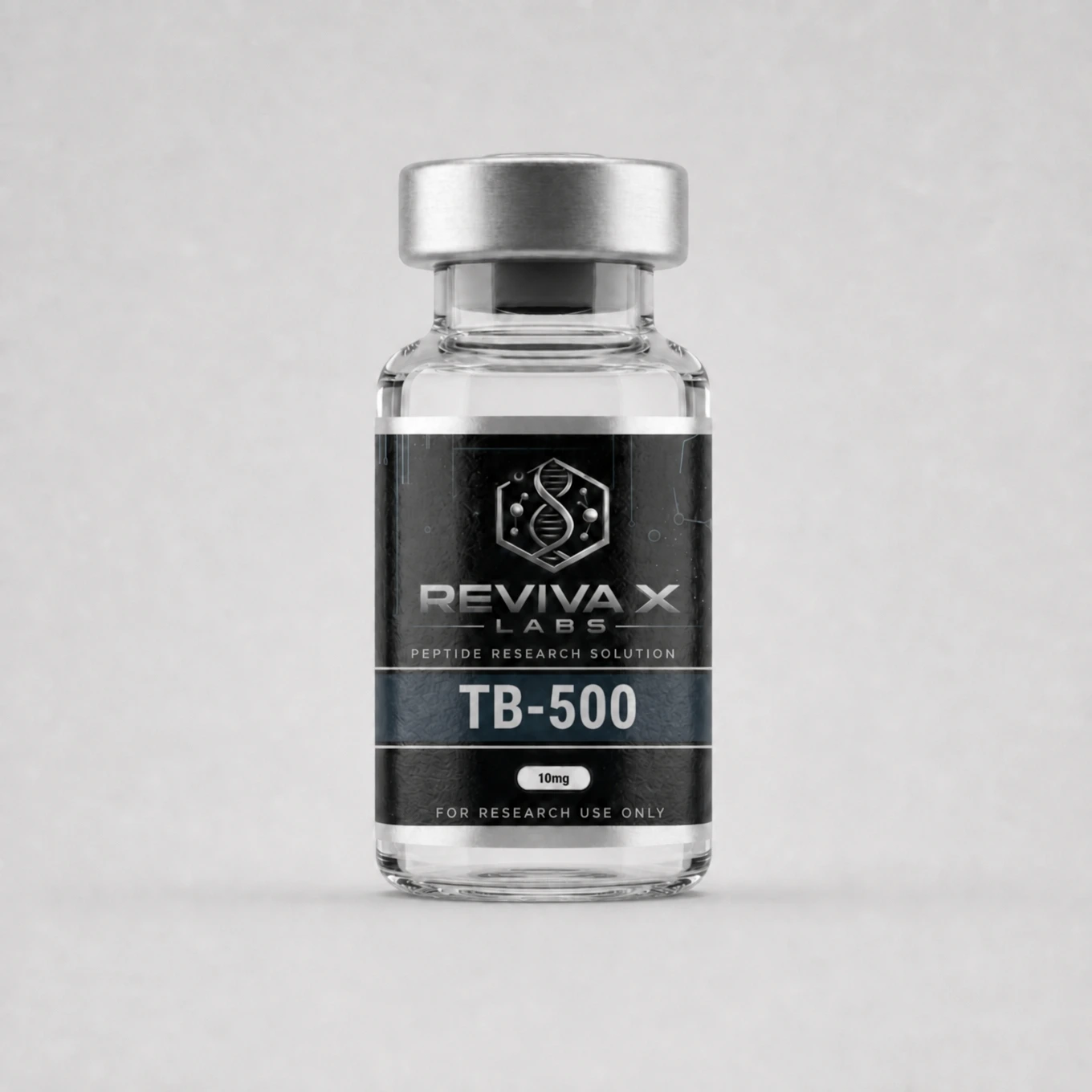
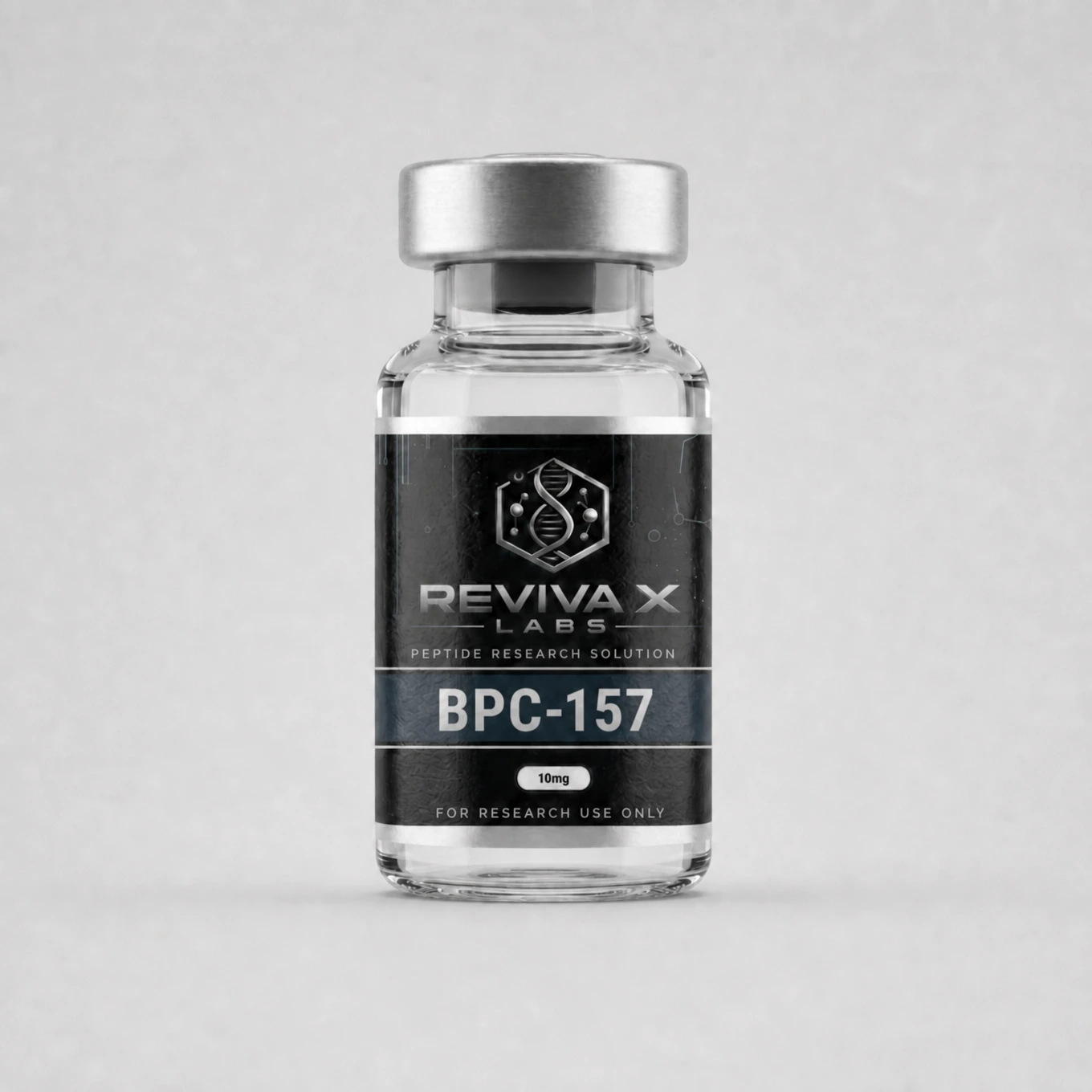
According to the WADA Prohibited List, BPC-157 is classified as an S0 substance, meaning it is not approved, and the same applies to TB-500 (thymosin beta-4). The conclusion for UK athletes is that even though the peptide they want to use can be bought legally for research purposes, it does not mean they can safely use it in sports because the UK Anti-Doping adheres to the WADA list.
On our site, we mainly write about the law governing medicines, while sports have their own set of rules. This page informs the reader which peptides are banned, what list UKAD applies, and what causes athletes to make mistakes.
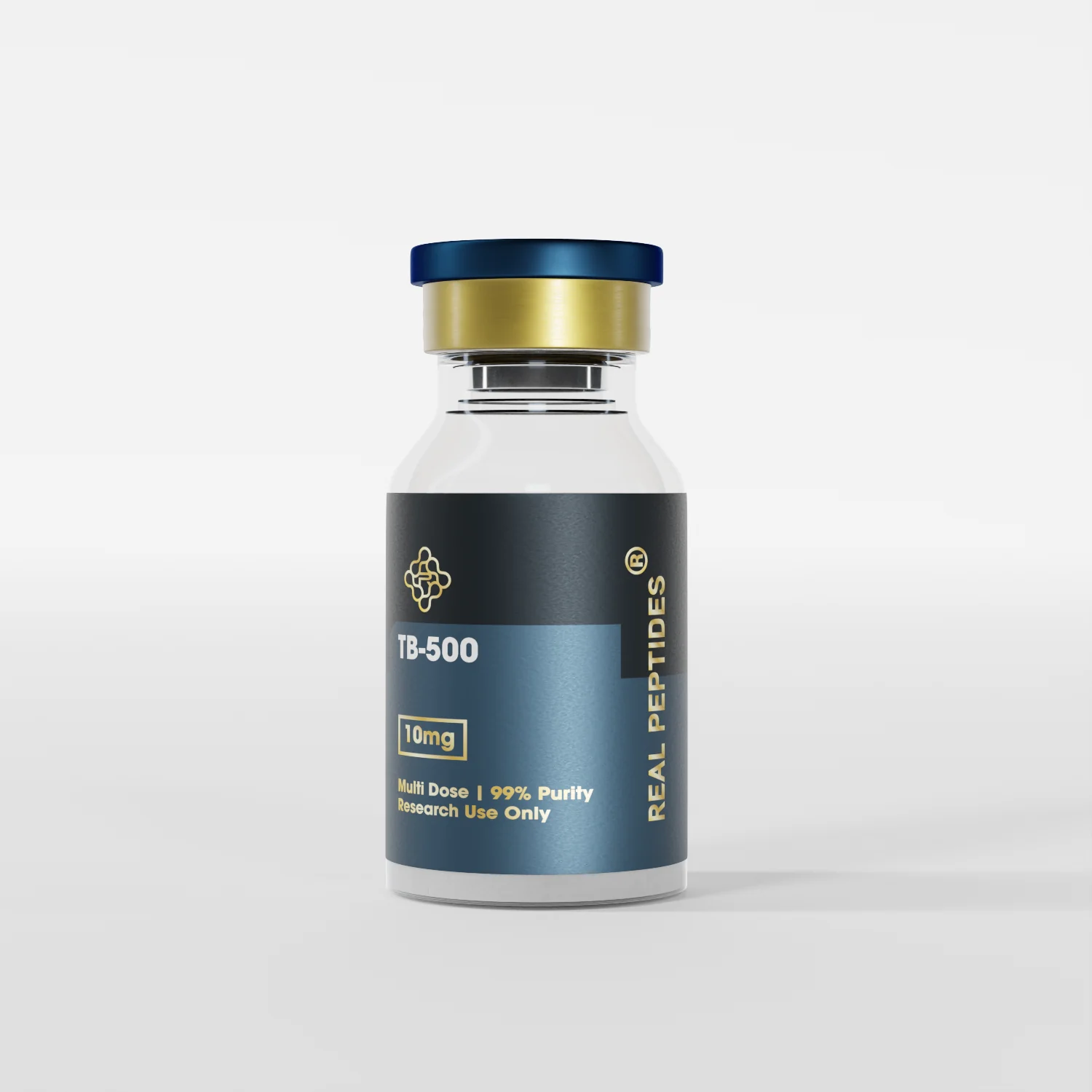
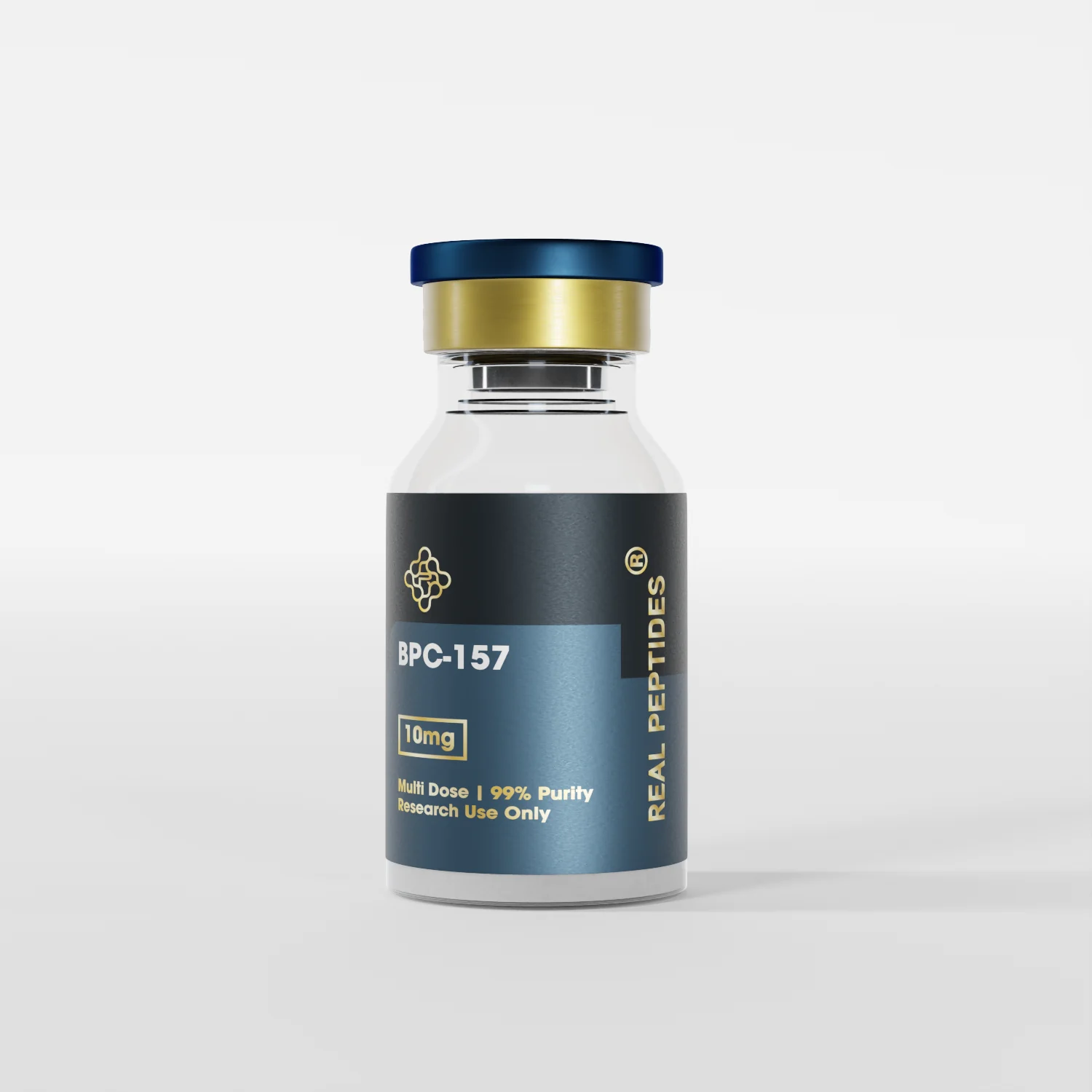
The two research peptides UK athletes ask about most, BPC-157 and TB-500, are both prohibited. BPC-157 falls under S0, which covers substances with no current approval for human therapeutic use. TB-500 is prohibited as thymosin beta-4 and its fragments.
S0 is worth understanding. It is a catch-all for compounds that are not approved as medicines by any health authority, so a peptide does not need to be named individually to be caught. That matters because new research compounds appear on vendor sites faster than any list can be updated.
| Compound | WADA position | UK medicines status |
|---|---|---|
| BPC-157 | Prohibited (S0, non-approved substances) | Not a licensed medicine; sold as a research compound |
| TB-500 (thymosin beta-4) | Prohibited | Not a licensed medicine; sold as a research compound |
| GLOW Stack (GHK-Cu + TB-500 + BPC-157) | Contains two prohibited substances | Vendor bundle, not a medical product |
UK Anti-Doping utilizes the WADA Prohibited List for recreational athletes in the UK, hence the WADA list is the one that matters in any sport in the UK. No separate or lenient UK variation exists.
The anti-doping regulations put the burden of accountability on the athlete for whatever core substance is found in their body. What that translates to in practical terms is that claiming "I purchased it as a research chemical" or "it was marketed to me as a supplement" is still not sufficient to alter the outcome of the test. Anyone who is subject to drug testing or might be tested at an event should treat any peptide compound as a potential threat or risk until further checked out or tested.
You may consult your sport's governing body or UKAD's own guidelines if you are in doubt and not consult a dealer or forum, as they should be the sources of your information.
The legality of a peptide in the UK will nearly always be irrelevant to a tested athlete, with the two concepts being two entirely different things.
Medicines law asks whether a product is being supplied as an unlicensed medicine. Under the Human Medicines Regulations 2012 that depends on intended use, which is why research compounds can be sold without medical claims. We cover that test on are peptides legal.
Anti-doping rules ask a different question: is the substance on the list? BPC-157 can be lawfully sold as a research compound and still be prohibited in sport. The same goes for TB-500. I see athletes conflate these two answers more than any other mistake.
The risk of doping increases for those products, which contain several peptides. For instance, the GLOW Stack of Real Peptides combines GHK-Cu, TB-500 and BPC-157, thus containing two prohibited components at once. The combination of TB-500 and BPC-157 under the name of something different also has the same two prohibited substances.
There is a second issue related to the fact that it is impossible to tell what a vial contains. The MHRA has indicated that products coming from illegal or unregulated sources have unknown compositions and quality. Thus, in a product there could be a different material or a contaminant that a product label describes.
The safest path for someone who competes at a high level is to avoid research peptides and consult a doctor regarding injury or recovery matters. A general practitioner, a sports doctor or a physiotherapist can talk about legitimate methods of treatment and give you the right referrals.
If you are not a tested athlete and want to understand the wider legal picture, start with our UK peptide law guide or the page on BPC-157's legal status. Peptides and WADA in the UK is one area where a quick check now saves far more trouble later.
According to the WADA Prohibited List, BPC-157 is classified as an S0 substance, meaning it is not approved, and the same applies to TB-500 (thymosin beta-4). The conclusion for UK athletes is that even though the peptide they want to use can be bought legally for research purposes, it does not mean they can safely use it in sports because the UK Anti-Doping adheres to the WADA list.
On our site, we mainly write about the law governing medicines, while sports have their own set of rules. This page informs the reader which peptides are banned, what list UKAD applies, and what causes athletes to make mistakes.
The two research peptides UK athletes ask about most, BPC-157 and TB-500, are both prohibited. BPC-157 falls under S0, which covers substances with no current approval for human therapeutic use. TB-500 is prohibited as thymosin beta-4 and its fragments.
S0 is worth understanding. It is a catch-all for compounds that are not approved as medicines by any health authority, so a peptide does not need to be named individually to be caught. That matters because new research compounds appear on vendor sites faster than any list can be updated.
| Compound | WADA position | UK medicines status |
|---|---|---|
| BPC-157 | Prohibited (S0, non-approved substances) | Not a licensed medicine; sold as a research compound |
| TB-500 (thymosin beta-4) | Prohibited | Not a licensed medicine; sold as a research compound |
| GLOW Stack (GHK-Cu + TB-500 + BPC-157) | Contains two prohibited substances | Vendor bundle, not a medical product |
UK Anti-Doping utilizes the WADA Prohibited List for recreational athletes in the UK, hence the WADA list is the one that matters in any sport in the UK. No separate or lenient UK variation exists.
The anti-doping regulations put the burden of accountability on the athlete for whatever core substance is found in their body. What that translates to in practical terms is that claiming "I purchased it as a research chemical" or "it was marketed to me as a supplement" is still not sufficient to alter the outcome of the test. Anyone who is subject to drug testing or might be tested at an event should treat any peptide compound as a potential threat or risk until further checked out or tested.
You may consult your sport's governing body or UKAD's own guidelines if you are in doubt and not consult a dealer or forum, as they should be the sources of your information.
The legality of a peptide in the UK will nearly always be irrelevant to a tested athlete, with the two concepts being two entirely different things.
Medicines law asks whether a product is being supplied as an unlicensed medicine. Under the Human Medicines Regulations 2012 that depends on intended use, which is why research compounds can be sold without medical claims. We cover that test on are peptides legal.
Anti-doping rules ask a different question: is the substance on the list? BPC-157 can be lawfully sold as a research compound and still be prohibited in sport. The same goes for TB-500. I see athletes conflate these two answers more than any other mistake.
The risk of doping increases for those products, which contain several peptides. For instance, the GLOW Stack of Real Peptides combines GHK-Cu, TB-500 and BPC-157, thus containing two prohibited components at once. The combination of TB-500 and BPC-157 under the name of something different also has the same two prohibited substances.
There is a second issue related to the fact that it is impossible to tell what a vial contains. The MHRA has indicated that products coming from illegal or unregulated sources have unknown compositions and quality. Thus, in a product there could be a different material or a contaminant that a product label describes.