Healing
Peptide clinic UK guide: what the MHRA investigation into clinic claims means, what clinics offer, the questions to ask and how to report a concern.
In April 2026 The Guardian reported that the MHRA was investigating UK peptide clinics over the medicinal claims they make about unregulated peptides, with BPC-157 named among the compounds most widely promoted. If you are weighing up a peptide clinic in the UK, that investigation tells you more about what to look for than any clinic's own website will.
Our views on clinics are not negative. Several clinics provide legal services. However, the problem we investigate is more precise: unlicensed peptides presented as a remedy. This page below describes what this means as well as how to assess a clinic before you make a payment.
The MHRA is investigating peptide clinics in the UK that claim their peptides to be medicine without them actually being licensed or approved as medicines. The issue is not the existence of such a substance; rather, the issue lies in the way it is being marketed to treat certain medical conditions without having obtained a medicinal license.
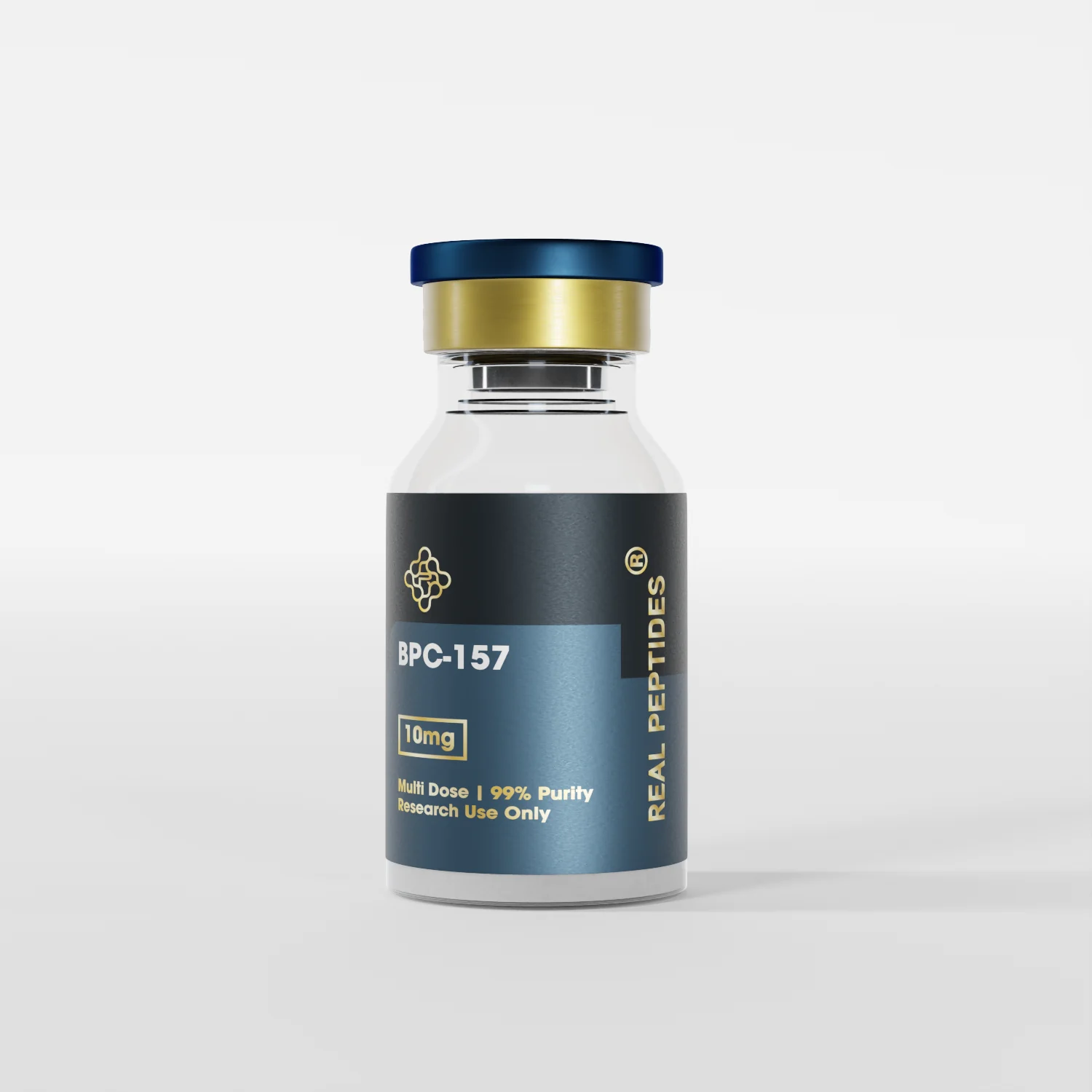
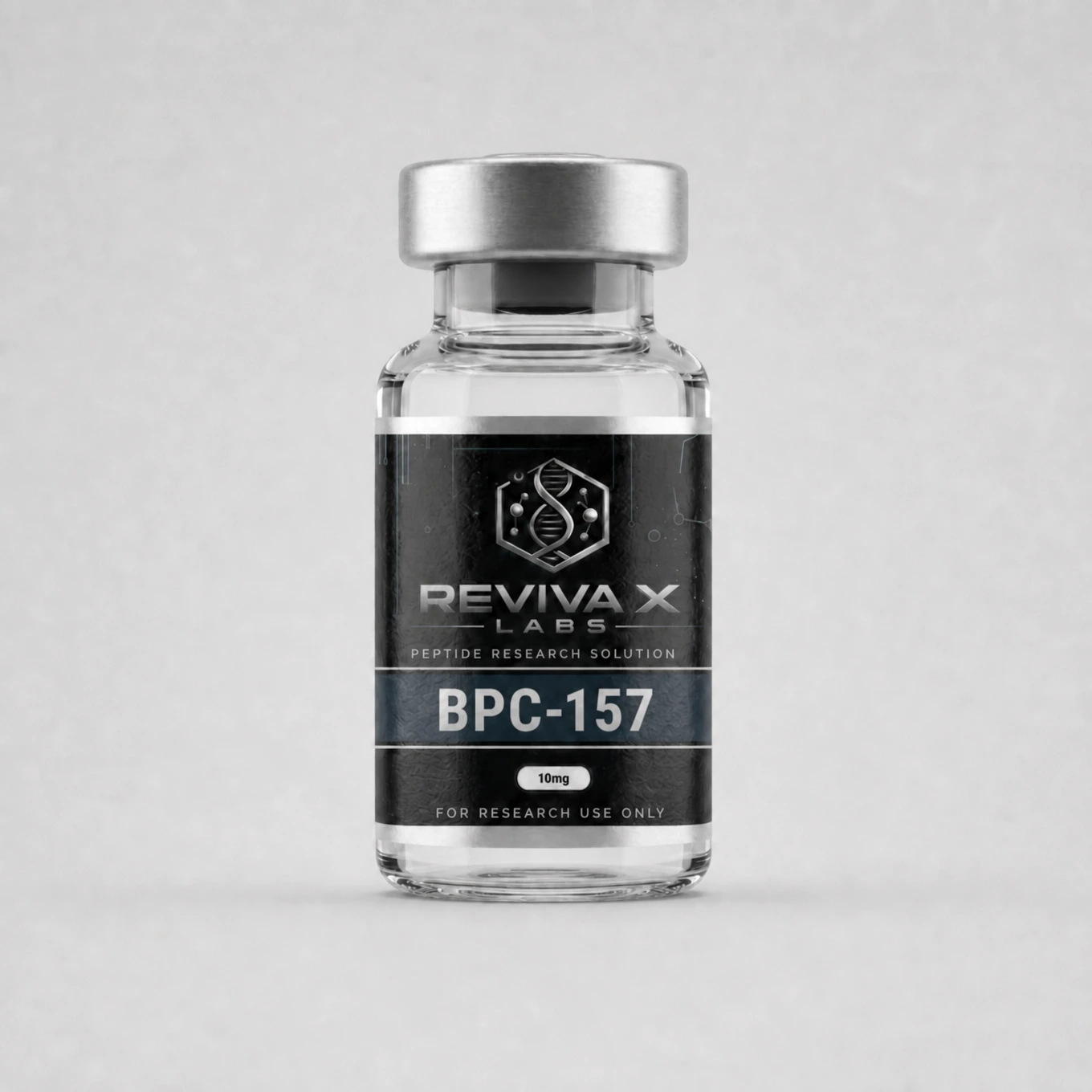
BPC-157 is one of the most heavily promoted compounds. It has not yet been licensed or recognized as a medicine in the UK or by the US FDA. It is still considered experimental, and the only human studies that are available are uncontrolled and small.
The reporting did not say BPC-157 is illegal to sell in the UK. That distinction matters, and we explain it fully on is BPC-157 legal in the UK.
According to the Human Medicines Regulations 2012, the classification of a product is based on its intended purpose; thus, a claim made by a clinical facility can change an experimental substance into an unlicensed medication. Consequently, a peptide that is used for muscle recovery, cognitive improvements, etc., can be regarded as a medication requiring licensing.
Clinics that say that they offer unlicensed peptides run the risk of being regarded as supplying unlicensed pharmaceuticals. While many suppliers use "research only" labels, it is indicated by the MHRA that research_only labels do not make the product appropriate for human consumption, nor do they mean that the product was manufactured to pharmaceutical standards.
In other words, a peptide clinic in the U.K. claiming that an unpermitted peptide will treat your shoulder injury is making claims that will not go unnoticed by the authorities, even if its documents say otherwise.
In the United Kingdom, peptide and wellness clinics provide a combination of authorized medications, unlicensed products, and therapies that fall outside the scope of medicine. The very first challenge is distinguishing between them.
| Offer | What it is | What to check |
|---|---|---|
| Weight-loss injections (Mounjaro, Wegovy) | Licensed prescription-only medicines | A prescriber consultation and a GPhC-registered pharmacy |
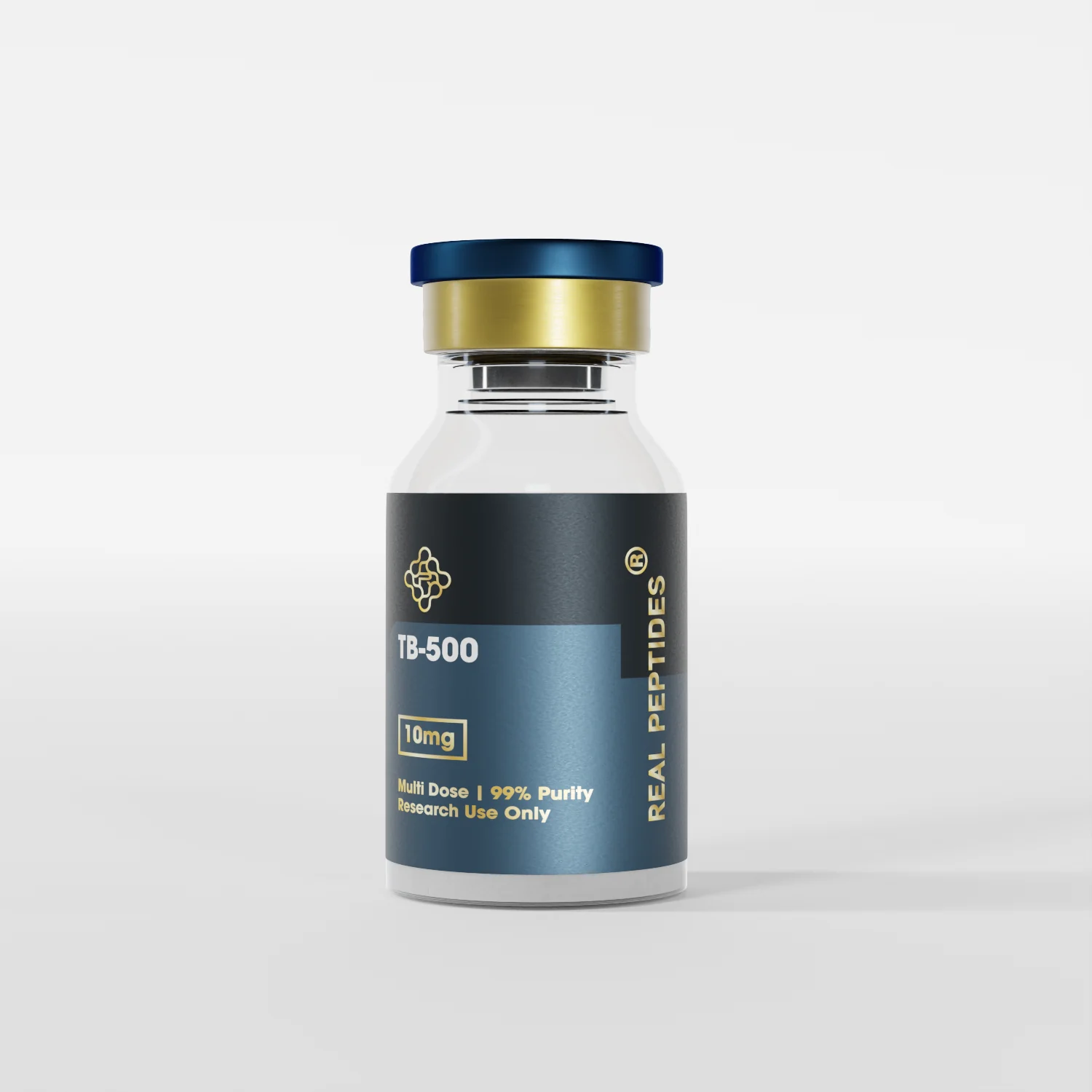
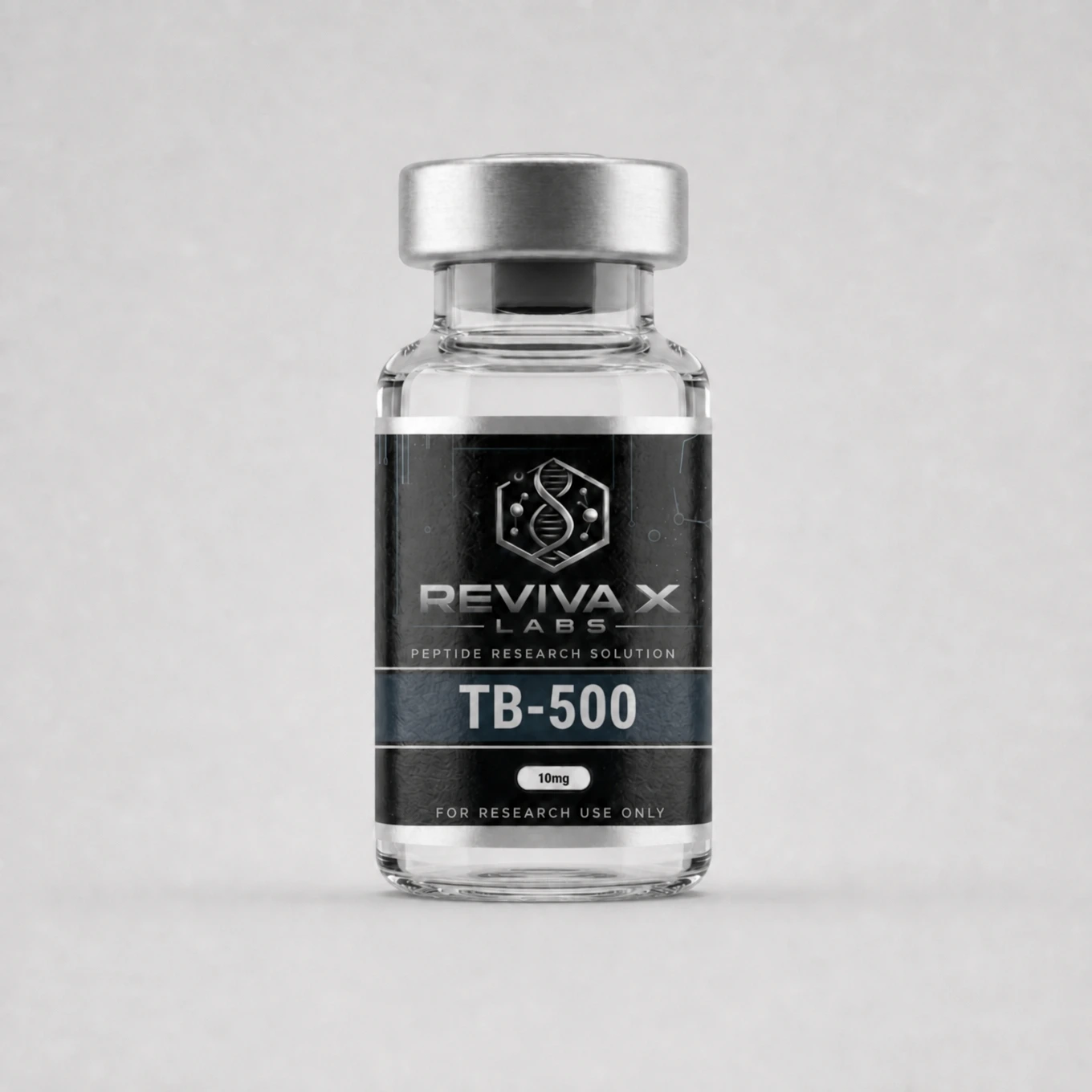
| "Healing" or "recovery" peptides (BPC-157, TB-500) | Unlicensed research compounds | Whether the clinic makes treatment claims |
| NAD+ drips and injections | Offered by private clinics and IV bars; prices vary | What evidence is claimed; human evidence is limited |
| Retatrutide | Investigational; illegal to supply outside trials | Any offer of it is a red flag |
On NAD+, most strong data concern cell and animal models, and weight-loss claims are not supported by controlled human trials. IV infusions are commonly reported to cause flushing, nausea, chest tightness or cramping if given fast. Our page on unlicensed weight-loss peptides explains why retatrutide cannot be offered.
A few direct questions will tell you most of what you need to know about a peptide clinic in the UK.
I would treat vague answers to the first three as a reason to walk away.
You can report a clinic or seller you think is supplying unlicensed medicines to the MHRA. Report any possible adverse drug reactions through the Yellow Card initiative. Reports help the regulator build the cases behind its recent raids.
For your own health, your GP or pharmacist is the right first call. For the legal background across all peptide types, see our UK peptide law guide.
In April 2026 The Guardian reported that the MHRA was investigating UK peptide clinics over the medicinal claims they make about unregulated peptides, with BPC-157 named among the compounds most widely promoted. If you are weighing up a peptide clinic in the UK, that investigation tells you more about what to look for than any clinic's own website will.
Our views on clinics are not negative. Several clinics provide legal services. However, the problem we investigate is more precise: unlicensed peptides presented as a remedy. This page below describes what this means as well as how to assess a clinic before you make a payment.
The MHRA is investigating peptide clinics in the UK that claim their peptides to be medicine without them actually being licensed or approved as medicines. The issue is not the existence of such a substance; rather, the issue lies in the way it is being marketed to treat certain medical conditions without having obtained a medicinal license.
BPC-157 is one of the most heavily promoted compounds. It has not yet been licensed or recognized as a medicine in the UK or by the US FDA. It is still considered experimental, and the only human studies that are available are uncontrolled and small.
The reporting did not say BPC-157 is illegal to sell in the UK. That distinction matters, and we explain it fully on is BPC-157 legal in the UK.
According to the Human Medicines Regulations 2012, the classification of a product is based on its intended purpose; thus, a claim made by a clinical facility can change an experimental substance into an unlicensed medication. Consequently, a peptide that is used for muscle recovery, cognitive improvements, etc., can be regarded as a medication requiring licensing.
Clinics that say that they offer unlicensed peptides run the risk of being regarded as supplying unlicensed pharmaceuticals. While many suppliers use "research only" labels, it is indicated by the MHRA that research_only labels do not make the product appropriate for human consumption, nor do they mean that the product was manufactured to pharmaceutical standards.
In other words, a peptide clinic in the U.K. claiming that an unpermitted peptide will treat your shoulder injury is making claims that will not go unnoticed by the authorities, even if its documents say otherwise.
In the United Kingdom, peptide and wellness clinics provide a combination of authorized medications, unlicensed products, and therapies that fall outside the scope of medicine. The very first challenge is distinguishing between them.
| Offer | What it is | What to check |
|---|---|---|
| Weight-loss injections (Mounjaro, Wegovy) | Licensed prescription-only medicines | A prescriber consultation and a GPhC-registered pharmacy |
| "Healing" or "recovery" peptides (BPC-157, TB-500) | Unlicensed research compounds | Whether the clinic makes treatment claims |
| NAD+ drips and injections | Offered by private clinics and IV bars; prices vary | What evidence is claimed; human evidence is limited |
| Retatrutide | Investigational; illegal to supply outside trials | Any offer of it is a red flag |
On NAD+, most strong data concern cell and animal models, and weight-loss claims are not supported by controlled human trials. IV infusions are commonly reported to cause flushing, nausea, chest tightness or cramping if given fast. Our page on unlicensed weight-loss peptides explains why retatrutide cannot be offered.
A few direct questions will tell you most of what you need to know about a peptide clinic in the UK.
I would treat vague answers to the first three as a reason to walk away.